Digital Nature Walk
Designing an outdoor digital experience for better mental health
Designing an outdoor digital experience for better mental health
A self-initiated project as part of my university course. The project covers the UX/UI of an outdoor digital experience combining an app and physical touchpoints.
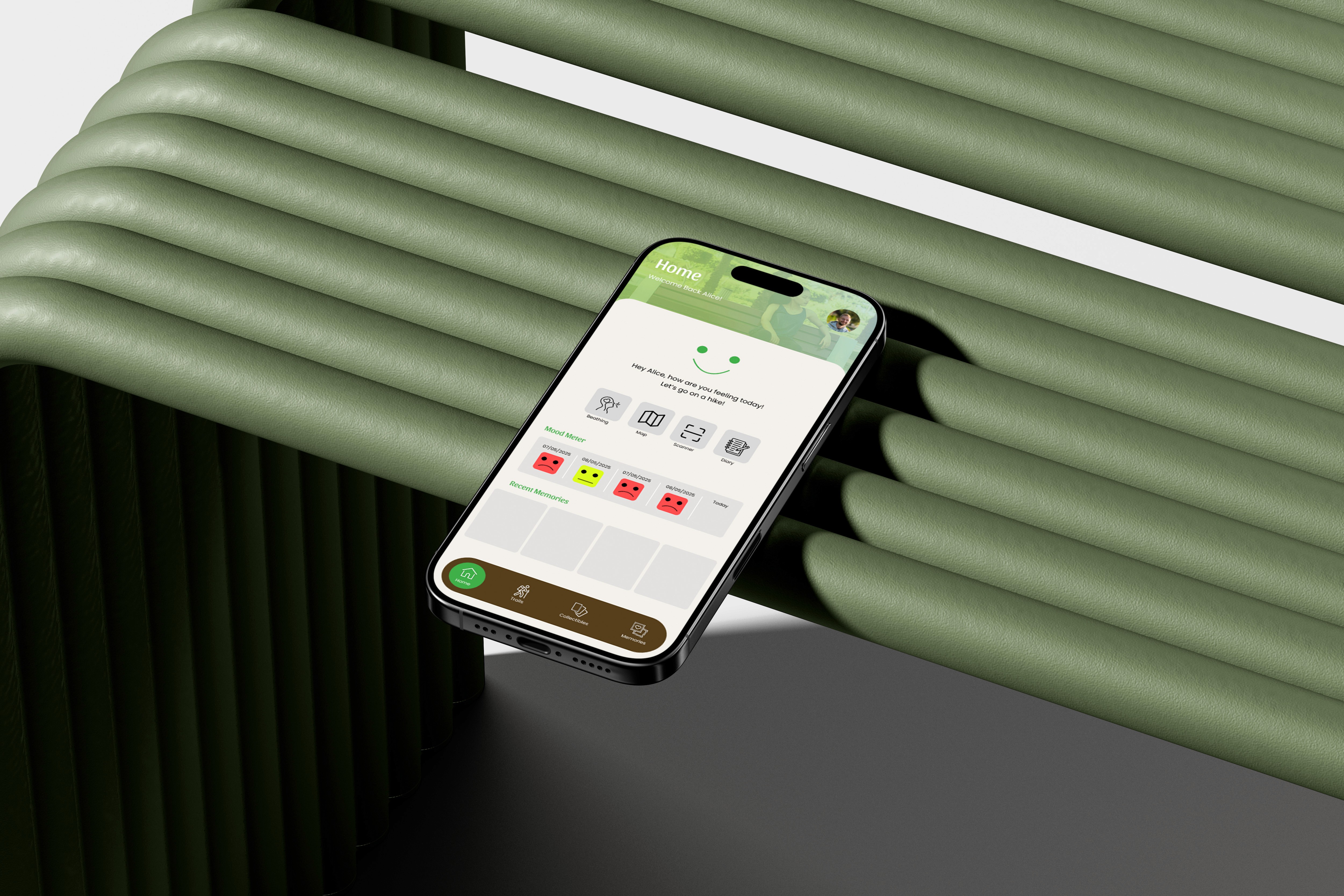
I designed a mobile app for a digital nature walk experience. This app was designed for nature enthusiasts and to encourage outdoor exploration for better mental health. The experience combines a digital and physical element that immerses the user on an experience that engages their senses.
Tools Used
Figma

Adobe Illustrator

Miro
Miro
Sector
Entertainment
Entertainment
Area of focus
UX/UI Design
Mobile Design
Multi Experience
UX/UI Design
Mobile Design
Multi Experience
Timeline
2024 - 2025
2024 - 2025
2024 - 2025
Skills
Wireframing
Wireframing
Wireframing
Interactive Prototyping
Interactive Prototyping
Interactive Prototyping
Iconography
Iconography
Iconography
Typography
Typography
Typography
layout
layout
layout
Branding
Branding
Branding
Hierarchy
Hierarchy
Hierarchy
User Flows
User Flows
User Flows
User Research & Testing
User Research & Testing
User Research & Testing
Design Systems
Design Systems
Design Systems
An Experience
An Experience
A digital experience is less functional and more experience-based, with a memorable and meaningful design. I had to research what this truly meant and my idea. In the end, I had explored methods in which a nature walk in a park could be enhanced for better mental health, which filled the criteria for a meaningful design. Further developing my design idea, I added an element of novelty, the user could collect items across the park that could be scanned via the phone app and take selfies within the app after every trail completed, which fulfilled the criteria for a memorable design.
A digital experience is less functional and more experience-based, with a memorable and meaningful design. I had to research what this truly meant and my idea. In the end, I had explored methods in which a nature walk in a park could be enhanced for better mental health, which filled the criteria for a meaningful design. Further developing my design idea, I added an element of novelty, the user could collect items across the park that could be scanned via the phone app and take selfies within the app after every trail completed, which fulfilled the criteria for a memorable design.
The Idea
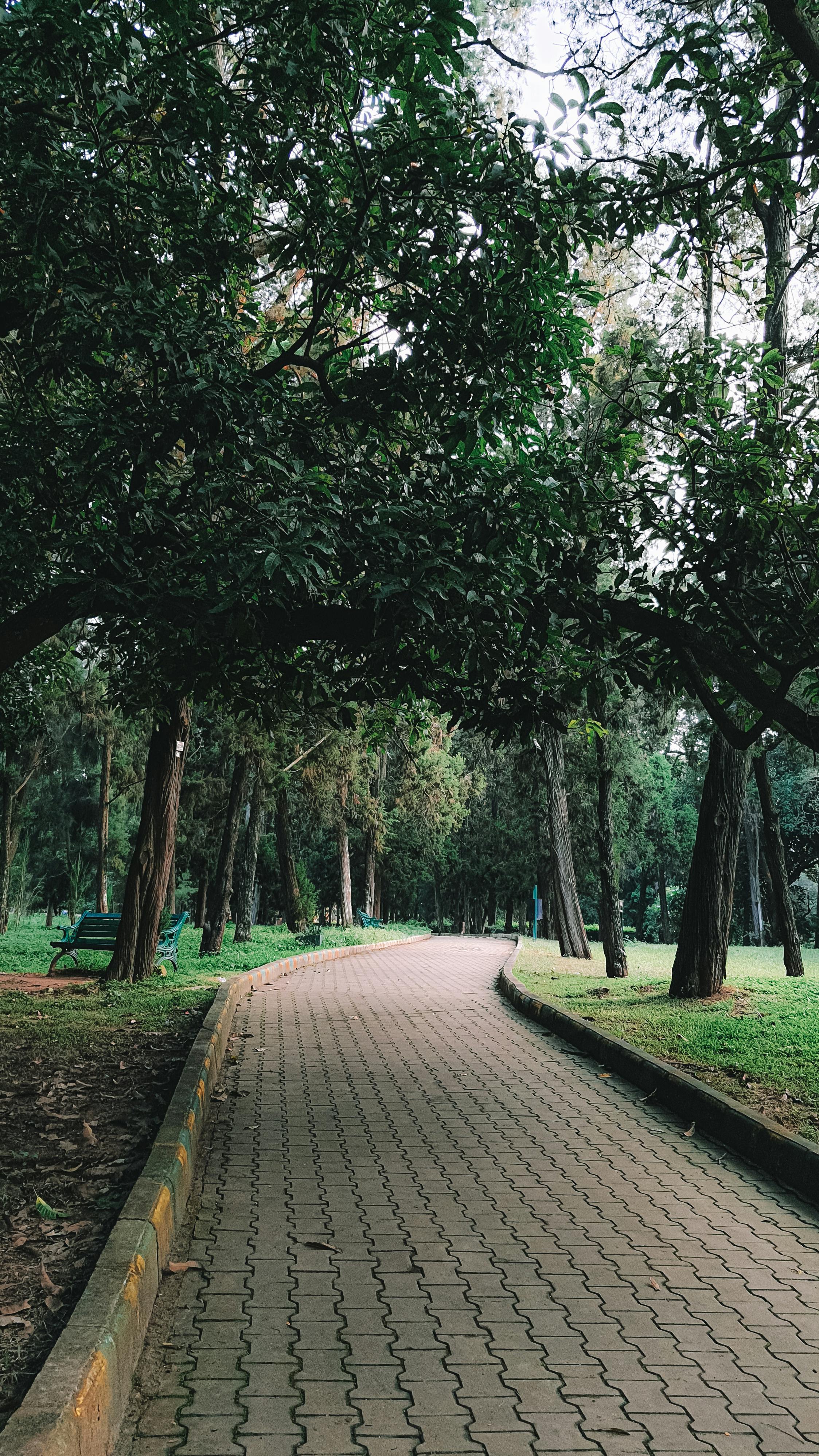
A digital nature walk that features audio-based narrations that direct the user on a guided meditation experience using headphones through different trails in parks that collaborate with the service. The trail would have its own unique activities, different narrated stories, and actions that allow the user to scan objects along the trail to unlock content.

The Design Process
Design Framework
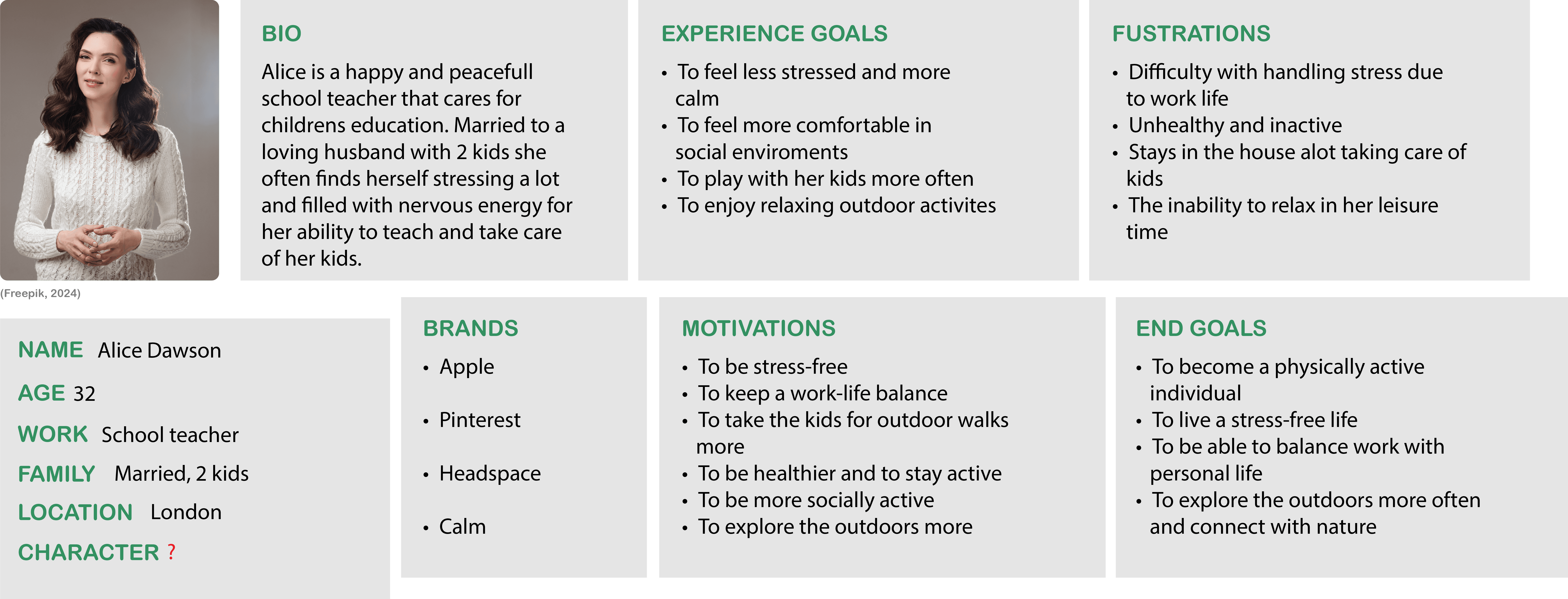
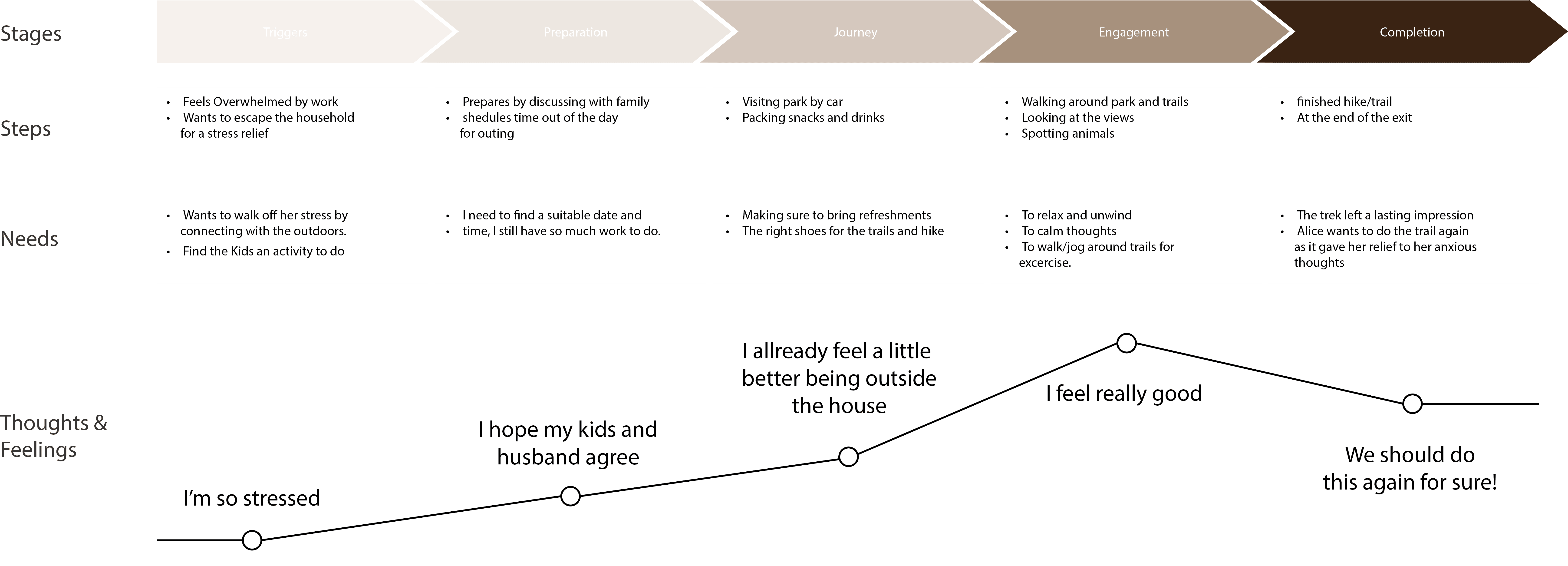
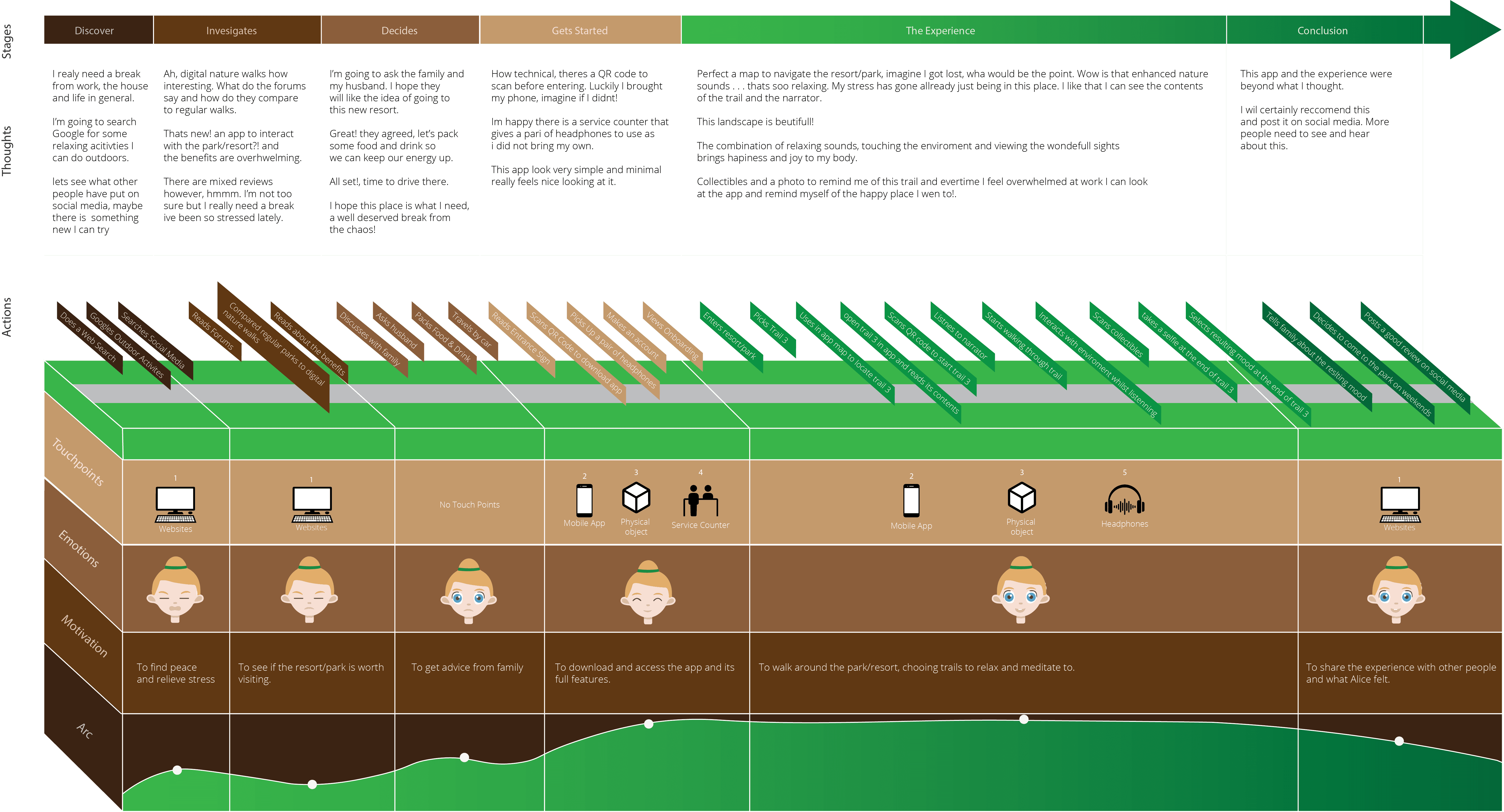
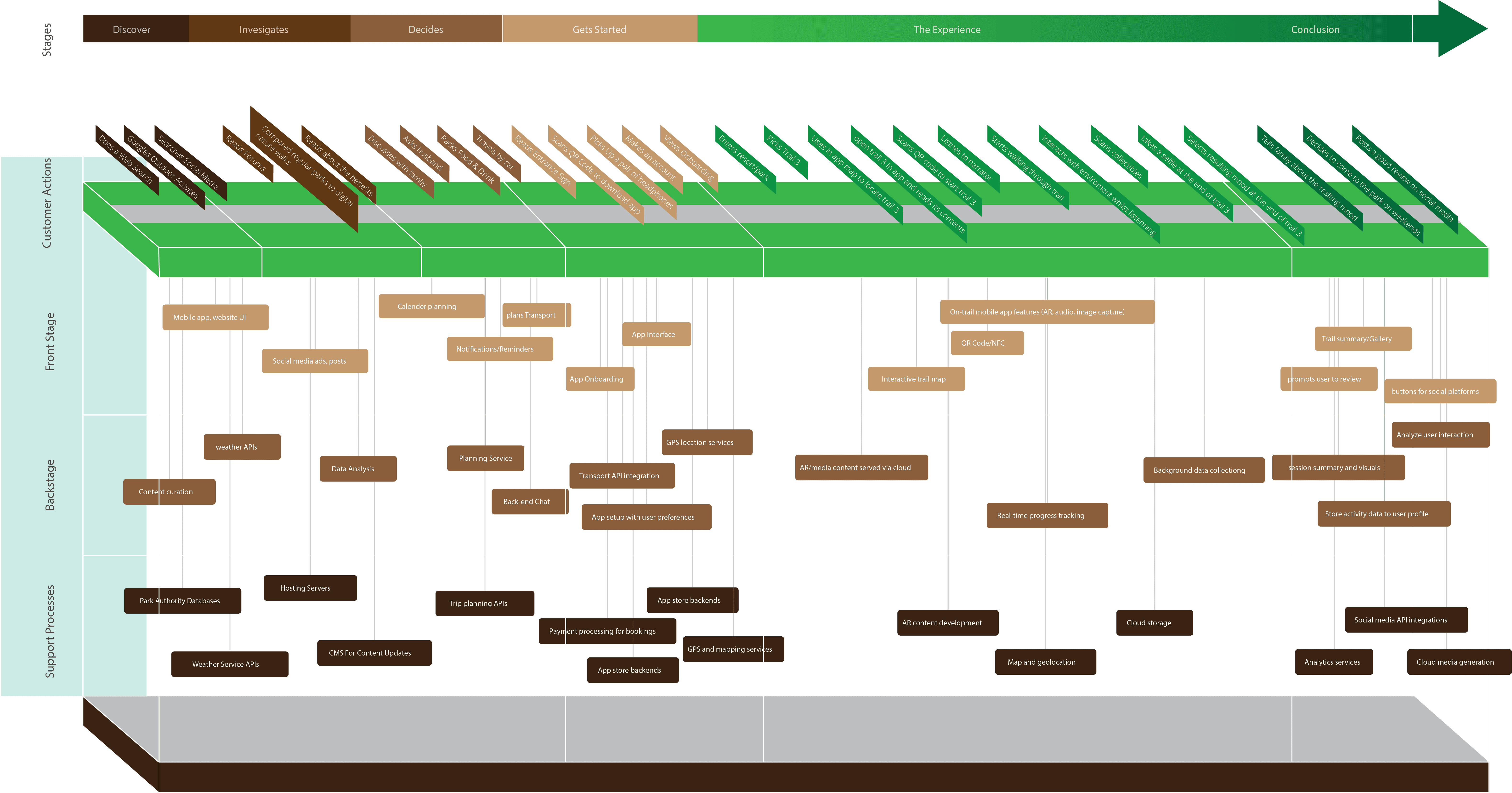
Starting with the design framework I began by creating a design persona to lay down all the pain points, goals, phycographics, motivations and frustrations of a possible user who would use and benefit from my design idea. This enabled me to tailour the digital experience to that target group by creating a scenario for the persona and visualising the users journey in maps such as, experience, journey and service maps. I then vosualised these in a storyboard which helped to understand the digital connection to the environment.

High Fidelity Prototype
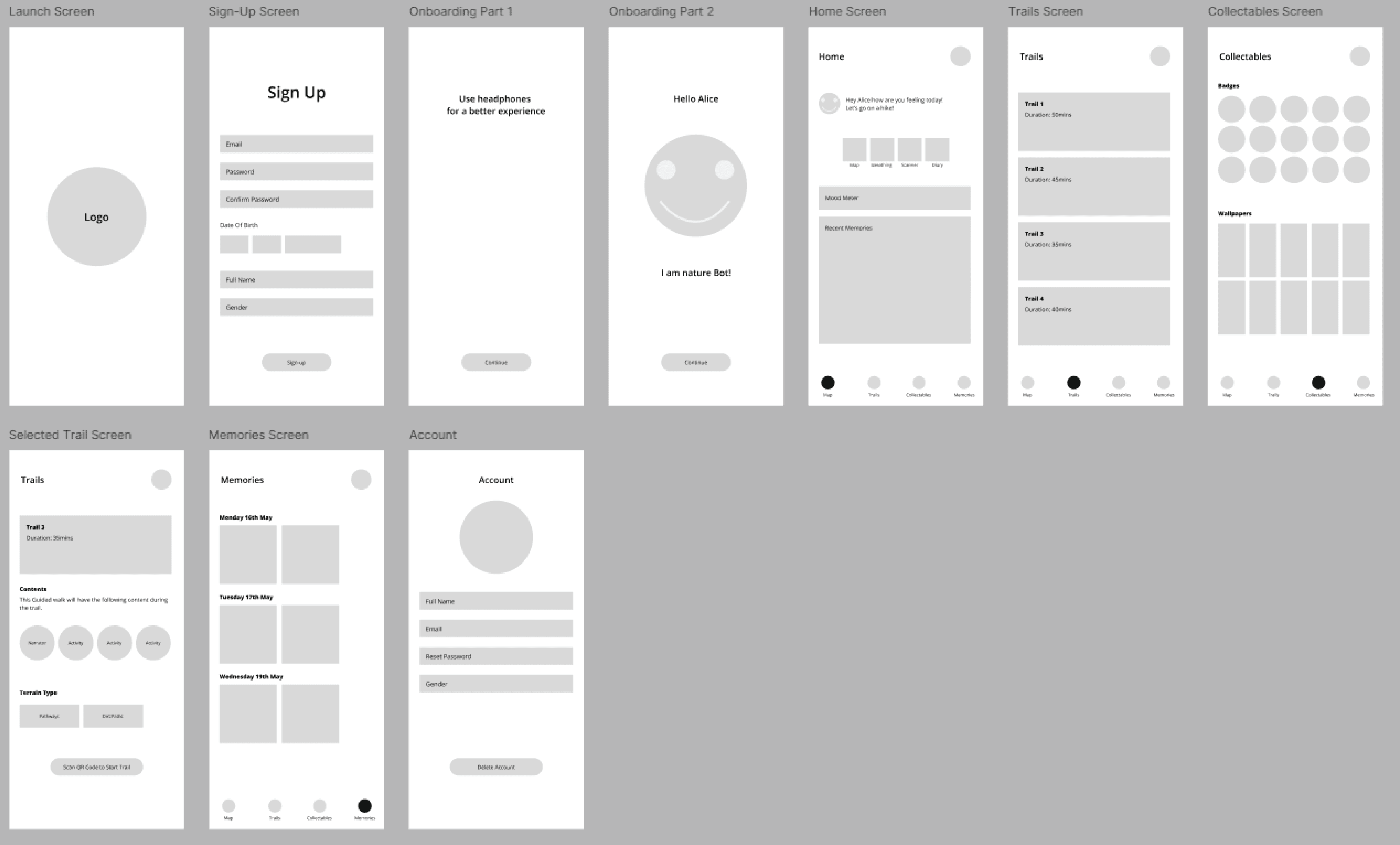
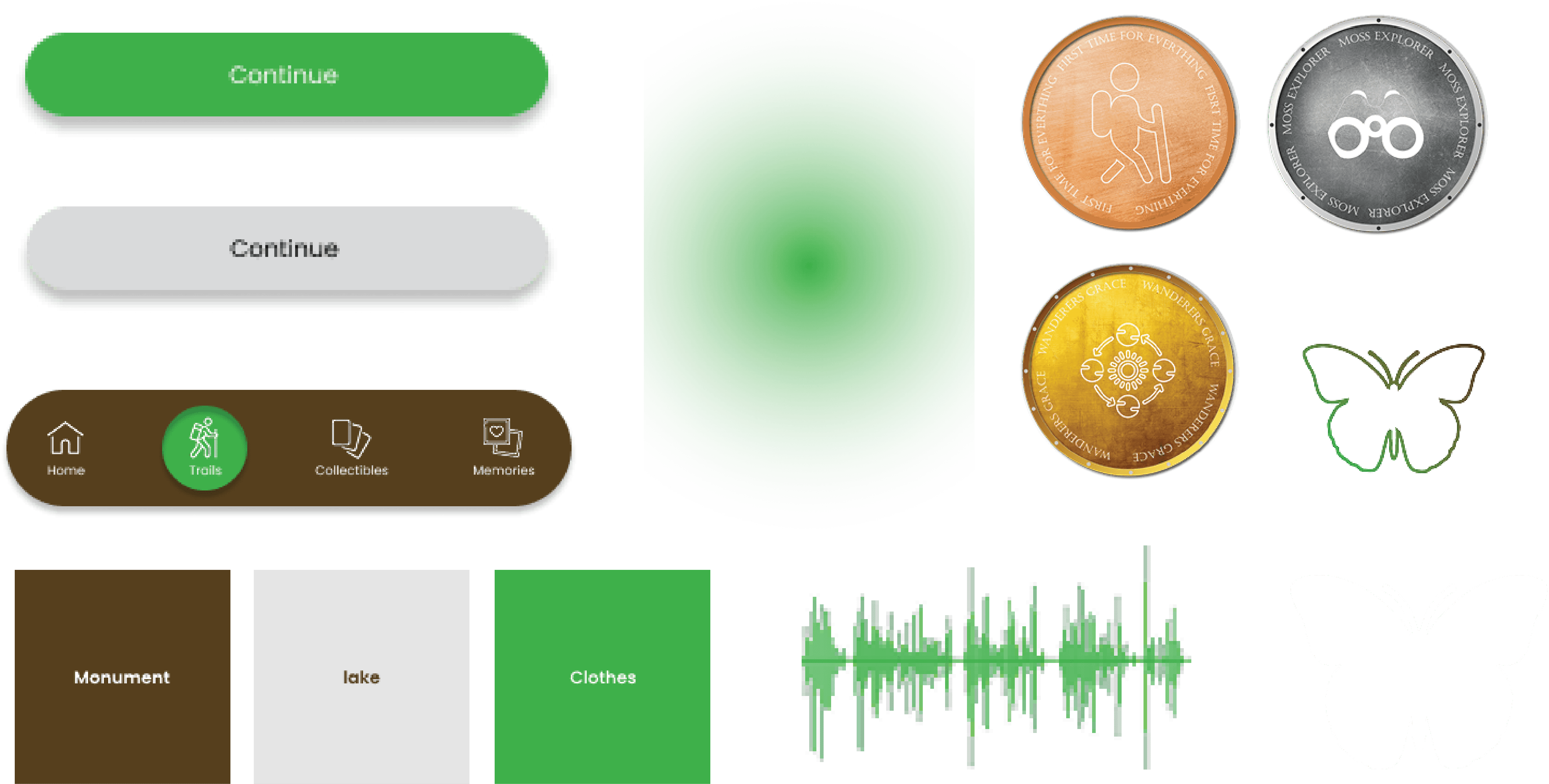
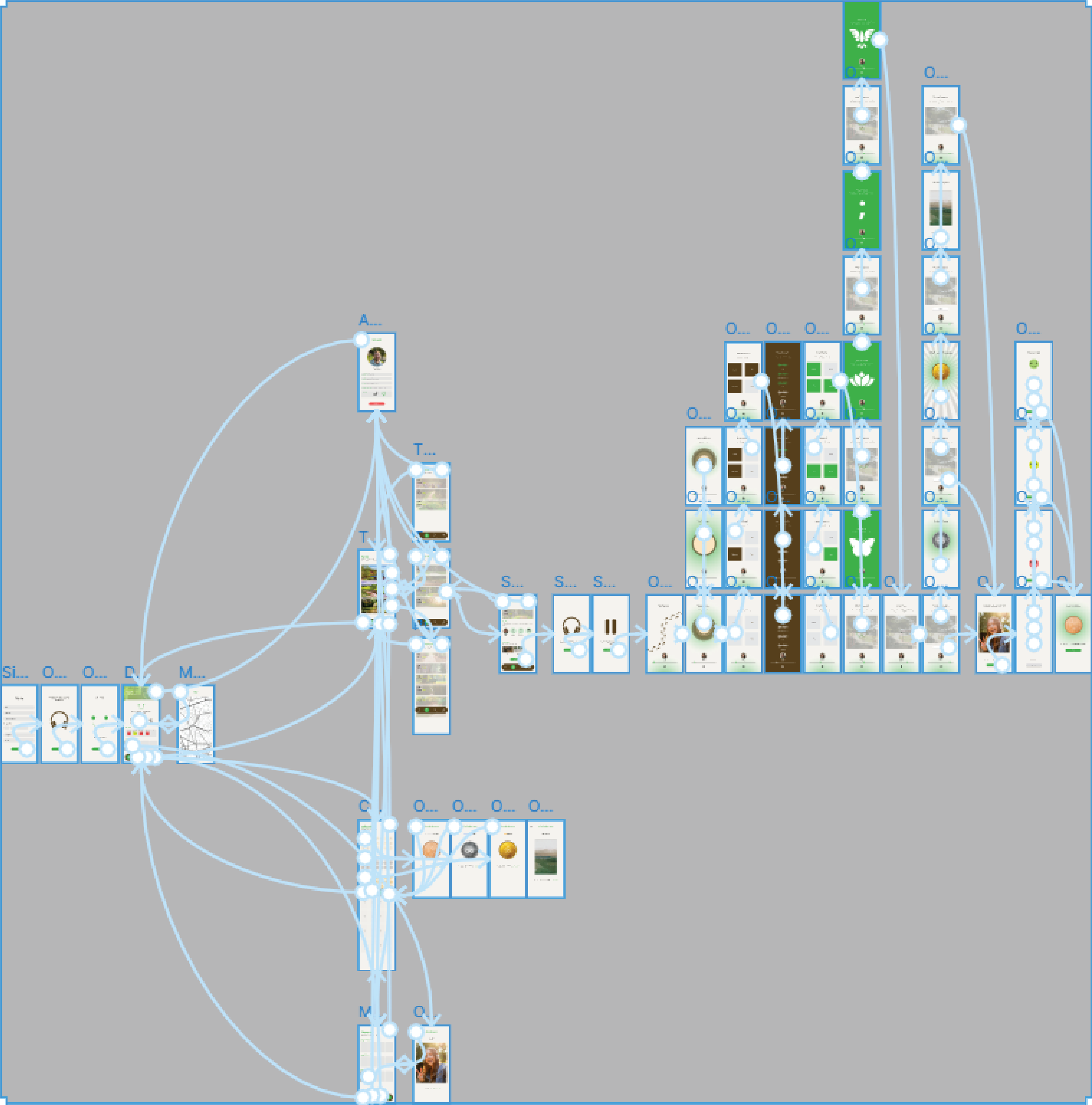
After creating the design framework, I was able to use it as a guide to create a high-fidelity prototype. I produced wireframes from the storyboards, then established a component style for the app. The style consisted of earthy colours and art that reflected nature; lots of greens and brown colours for soil and ground. I used a simple minimalist design style that gave a clean and pleasant aesthetic. As the digital experience I wanted to produce was for improving mental health, there needed to be no clutter on the screens. Once both of these assets were created, I could then build a high-fidelity prototype in Figma. The image below shows my prototyping procedure.

Reflections
The experience is memorable and meaningful as the designs integrate selfie taking, audio or guided narration, and collectibles. Through interactive phases in the walk that provide an incentive to interact with the surroundings directs the user's mind relaxes and then remembers the walks they have been on. The overall aesthetic of the app was also clean and minimal, which provides a simple UI and ease of use.
For improvement, I think that the whole experience could have collaborated with a brand, which has become apparent to me, and I think it would have made the experience more noticeable in the market and credible for potential users to use.
Haaris Ahmed
Copyright 2026 by Haaris Ahmed
Haaris Ahmed
Copyright 2026 by Haaris Ahmed
Haaris Ahmed
Copyright 2026 by Haaris Ahmed
The Idea
A digital nature walk that features audio-based narrations that direct the user on a guided meditation experience using headphones through different trails in parks that collaborate with the service. The trail would have its own unique activities, different narrated stories, and actions that allow the user to scan objects along the trail to unlock content.
The Design Process
Design Framework
Starting with the design framework I began by creating a design persona to lay down all the pain points, goals, phycographics, motivations and frustrations of a possible user who would use and benefit from my design idea. This enabled me to tailour the digital experience to that target group by creating a scenario for the persona and visualising the users journey in maps such as, experience, journey and service maps. I then vosualised these in a storyboard which helped to understand the digital connection to the environment.
High Fidelity Prototype
After creating the design framework, I was able to use it as a guide to create a high-fidelity prototype. I produced wireframes from the storyboards, then established a component style for the app. The style consisted of earthy colours and art that reflected nature; lots of greens and brown colours for soil and ground. I used a simple minimalist design style that gave a clean and pleasant aesthetic. As the digital experience I wanted to produce was for improving mental health, there needed to be no clutter on the screens. Once both of these assets were created, I could then build a high-fidelity prototype in Figma. The image below shows my prototyping procedure.